

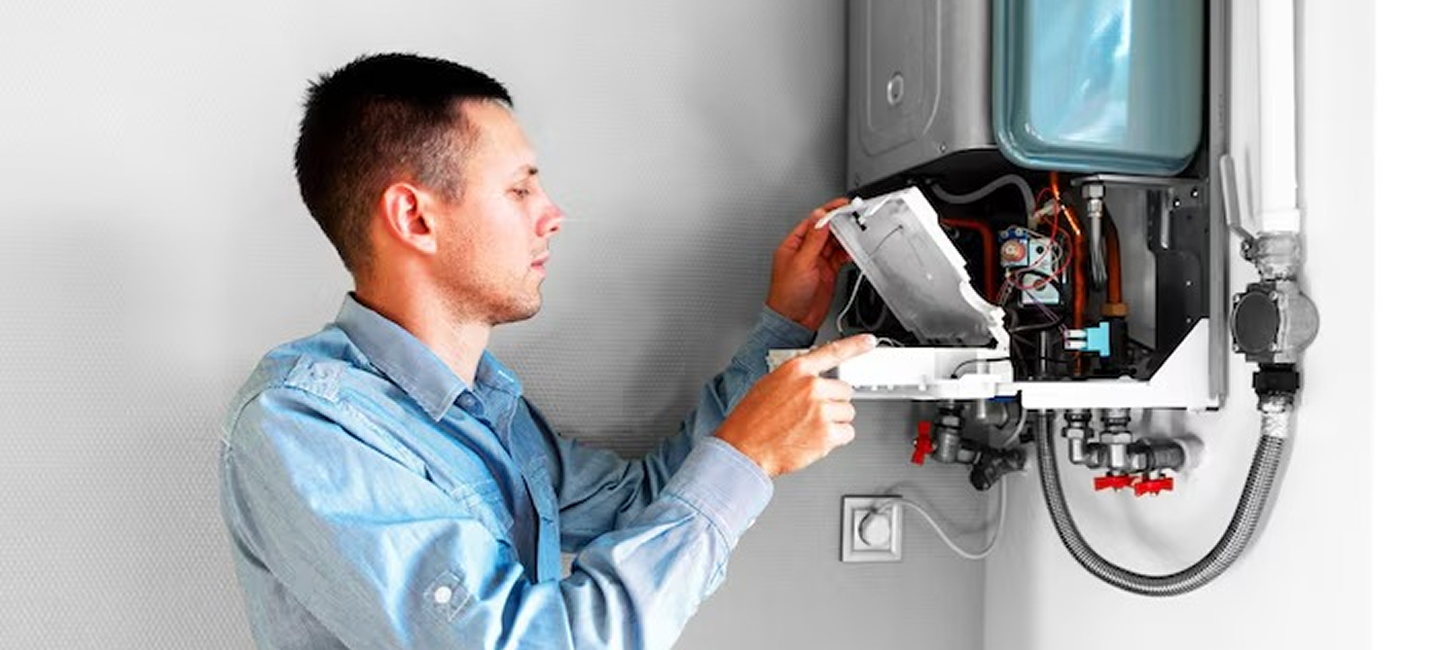
When your home heating system starts making strange noises, dropping pressure, or breaking down entirely, a thousand questions race through your mind. Beyond the financial investment, the most common practical concern for any homeowner is disruption: how long does a boiler replacement take? Navigating cold mornings without hot water or central heating is tough, making an accurate, predictable schedule essential for planning your household routines.
For property owners across West Sussex, partnering with an experienced, Gas Safe-registered team like Heatwise Group ensures your installation moves seamlessly, combining rapid turnarounds with exceptional structural safety and care.
Key Factors That Determine Your Boiler Replacement Time
No two residential heating installations are identical. While a straightforward swap can be completed remarkably quickly, several technical and physical variables directly influence the final boiler replacement time required on site.
1. The Complexity of the Installation Type
- Like-for-Like Swap: Replacing an old, broken boiler with a brand-new model of the same type in the exact same location is the fastest installation path.
- System Conversion: Changing from an old conventional system (with tanks in the loft and a cylinder) to a modern, space-saving combination (combi) boiler requires extensive pipework modification, which lengthens the process.
2. Relocating the Unit
If you want to move your boiler from a kitchen cupboard to an attic, utility room, or garage, engineers must route brand-new gas lines, water pipes, and exhaust flues through your floors and walls.
3. Upgrading Associated Infrastructure
A high-performing boiler needs clean, robust distribution lines. Upgrading old, thin microbore copper pipework, changing rusted radiator valves, or installing advanced smart thermostat units adds extra preparation and finishing steps to the engineer’s day.
Step-by-Step Installation Timeline
Phase 1: Arrival and Site Protection (1 Hour)
On the morning of your scheduled project, your engineers will arrive and conduct a final walkthrough. They protect your hallway carpets, kitchen flooring, and nearby work surfaces using specialized heavy-duty drop cloths and protective plastic sheeting to keep your living space pristine.
Phase 2: Decommissioning and System Flush (2 Hours)
The team safely isolates your mains gas supply, electricity, and water lines. They drain your existing heating infrastructure completely to prevent internal leaks during disassembly.
Phase 3: Mechanical Mounting and Pipework Realignment (3 to 4 Hours)
The old boiler is carefully unmounted and removed from the property. The engineer installs a new structural mounting bracket on the wall, aligns the new unit, and modifies the immediate copper pipework configuration to line up precisely with the new intake and outlet valves.
Phase 4: Pressurization, Commissioning, and Handover (1 to 2 Hours)
With all structural joints securely connected, the technician refills the water system, checks every link for leaks, and repressurizes the network. They execute a rigorous gas tightness test to guarantee absolute safety.
Average Timelines Based on Real-World Scenarios
To help you map out your schedule, here are the realistic timeframes you can expect based on standard residential requirements:
Scenario A: Straightforward Combi-to-Combi Swap
- Estimated Time: 1 Working Day (6 to 8 hours)
- What’s involved: Your current combi boiler has given up, and a modern, energy-efficient combi boiler goes into its place. The pipe layout requires only minor adjustments, and the existing flue exit point is reusable.
Scenario B: Traditional System-to-Combi Conversion
- Estimated Time: 2 to 3 Working Days
- What’s involved: The engineers must cut out and remove the bulky cold water storage tanks from your attic and the hot water cylinder from your airing cupboard. They must then alter your entire plumbing matrix to run directly off high-pressure mains water.
Scenario C: Full System Upgrade with Relocation
- Estimated Time: 3 to 4 Working Days
- What’s involved: This deep upgrade involves mounting a new boiler in a different area of your home while simultaneously replacing old, inefficient radiators throughout the property. It involves lifting floorboards and running extensive new pipework infrastructure.
Energy Efficiency and Financial Benefits
According to comprehensive consumer research data published by the Energy Saving Trust, upgrading an old, G-rated gas boiler to a modern, A-rated condensing model can reduce your household carbon footprint while lowering your annual gas bill by up to 30%.
Investing in premier boiler installations and lancing services ensures you maximize these savings instantly. Modern combi and system boilers feature advanced modulating pumps and smart weather compensation controls that adjust their output automatically based on outside temperatures, ensuring you never waste money or gas heating an already warm home.
Preparing Your Home to Speed Up the Process
While your installation team handles all the technical heavy lifting, there are a few simple ways you can help ensure your boiler replacement time stays as short as possible:
- Clear the Work Zones
- Provide a Clear Path
- Secure Your Pets
The installation process involves open doors, drilling noises, and shifting equipment. Keeping your pets safely inside a quiet room ensures their comfort and prevents accidental escapes.
Choosing the Right Team for Your Upgrade
Because working with natural gas carries serious safety risks, a boiler replacement should never be treated as a DIY job or left to uncertified handymen.
- Always Verify Gas Safe Credentials
- Look for Solid Financial Paths
- Check Manufacturer Warranties
By prioritizing experienced, local boiler installation lancing specialists, you guarantee that your property’s heating system will be upgraded swiftly, safely, and to the highest industry standards.